Glossary Early Childhood Education
Glossary Early Childhood Education
My name is Sophie, and I study in early childhood education program since 2 years. In this program with learn to become an educator who provides a quality environment for children. In this glossary who can find word link with the early childhood education. I choose the words, we use all day in the program and on the job. My glossary it for the person want a clear definition of the words connect with early childhood education. I wish my glossary help you.
- Areas of development
- noun, adjective
- Physical, motor, cognitive, language, social, moral, emotional and sexual areas of development, which are part of the global development process. The areas of development are interconnected to different degrees, depending on the child’s learning, experience, fields of interest and environment.
- Example: In play, children support their areas of development.
- en: développement global
- cognitive development
- noun, adjective
- Cognitive development is the lifelong process of growth in mental capacities, including thinking, reasoning, memory, language, and problem-solving.
- Example: When Justine sorts objects, she stimulates her cognitive development.
- en: développement cognitif
- Daily report
- noun
- Verbal communication, paper document or digital document used to inform the family about the child’s basic care, play and development.
- Example: I handed the Daily report to the parents
- en: journal de bord
- Daycare
- noun
- Daycare is a childcare centre where children and babies from three months to school age are cared for in safe and stimulating surroundings.
- Example: "we have encountered problems trying to find a daycare willing to accept him"
- en: garderie
- Democratic mode of intervention
- noun, adjective
- Method or strategy conducive to the creation of a positive atmosphere and sharing of power between the child and the adult (e.g. educator, family member) that can be applied with due respect for the child’s needs, preferences and abilities, especially when making everyday choices or searching for solutions.
- Example: I apply Democratic mode of intervention with my group.
- en: intervention démocratique
- early learning center
- noun
- An early learning center (ELC) is a licensed facility for young children (infancy to age five) that combines nurturing, high-quality care with a structured, play-based, and educational curriculum. Focused on cognitive, social, emotional, and physical development, ELCs use trained educators to prepare children for school through stimulating, developmentally appropriate activities.
- Example: My child goes to the early learning center
- en: centre de la petite enfance
- Educational environment
- noun
- The organized indoor and outdoor premises of the educational childcare establishment and locations that the early childhood educator may use from time to time with the children (e.g. park).
- Example: I have a warm and welcoming educational environment
- en: aménagement
- Educational quality
- noun
- Quality based on two categories of elements, some relating to structural quality and others to the quality of the processes. Structural quality includes a set of variables with an indirect impact on the quality of processes, such as the adult-child relationship, group size and staff training, structured by regulation. The quality of the processes refers to elements that affect the children’s lives. These elements can be divided into four categories, namely the educators’ interactions with the children, the children’s own experiences, the layout of the premises and materials, and the educators’ interactions with the parents.
- Example: The educator applies educational quality in their practice
- en: qualité éducative
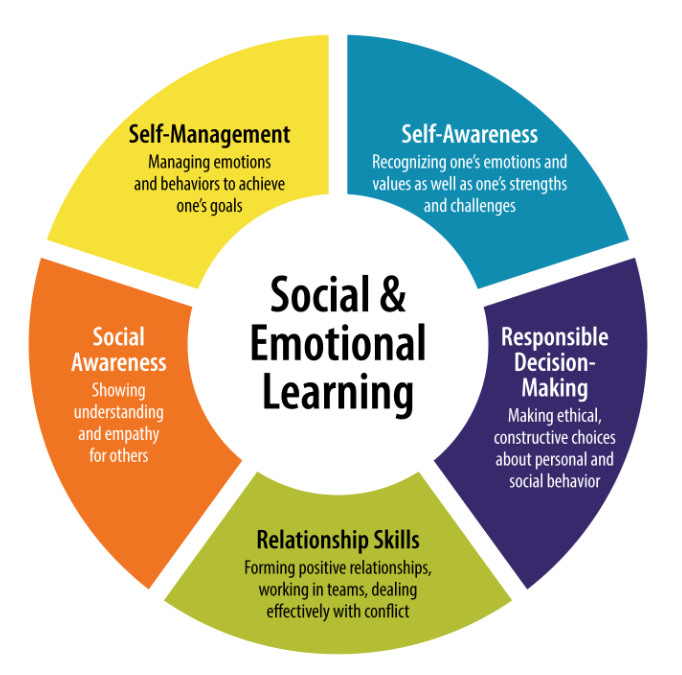
- emotional and social development
- Noun, adjective
- Social and emotional development means how children start to understand who they are, what they are feeling and what to expect when interacting with others. It is the development of being able to: Form and sustain positive relationships. Experience, manage and express emotions
- Example: Mathilde and Romane play together and foster their social and emotional development.
- en: développement social affectif
- family
- noun
- A group of one or two parents and their child or children living together as a unit.
- Example: "friends and family can provide support"
- en: famille

- Healthy lifestyle habits
- noun
- A set of habits relating to hygiene, rest, healthy nutrition and active play. These habits help to maintain the child’s well-being.
- Example: The educator teaches healthy lifestyle habits to the children.
- en: saine habitude de vie
- language development
- noun, adjective
- Language development in education refers to the process by which children acquire the ability to communicate effectively through spoken, written, and gestural forms.
- Example: The baby makes sounds and engages in language development
- en: développement langagier
- Literacy
- noun
- Skills that allow children to develop the confidence they need to interact with others in every aspect of everyday life, through speech, gestures, texts, images, symbols and sounds. Interactions may also take place via digital media.
- Example: Home and School: Research and Practices in Teaching LITERACY with Parents.
- en: littératie

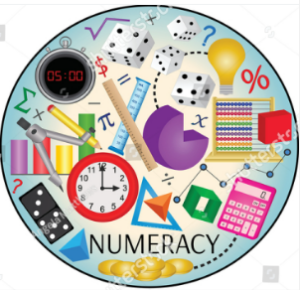
- numeracy
- noun
- Skills that allow children to develop the confidence they need to interact with others in every aspect of everyday life, using reasoning and problem-solving skills and their capacity to understand the world.
- Example: Learning digits and numbers supports children's numeracy.
- en: numératie
- pedagogy
- noun
- Pedagogy is simply the method, practice, and theory of teaching, focusing on how educators teach, the strategies they use, and the underlying beliefs and science behind effective learning.
- Example: "subject-based pedagogies"
- en: pédagogie
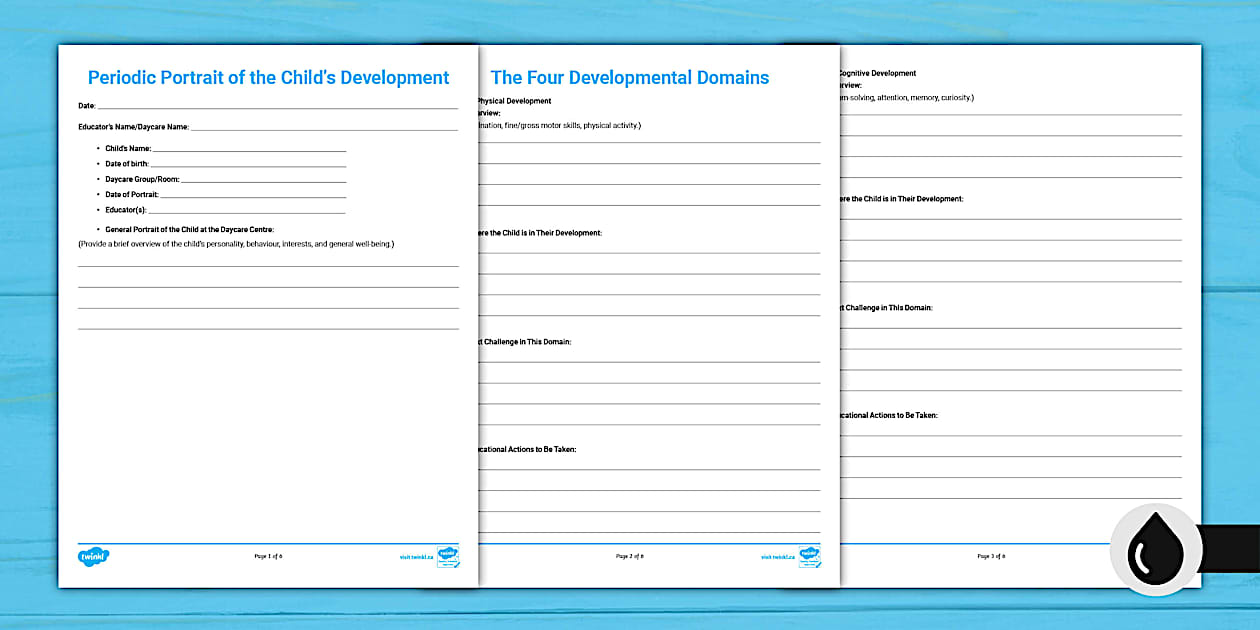
- Periodic portrait of the child’s development
- noun, adjective
- A recording tool (paper or digital) completed by the early childhood educator responsible for a group. The document forms part of the child’s education record and contains a synthesis of observations regarding the child’s global development (e.g. progress, needs, challenges) and information on the impacts of educational actions for the child.
- Example: The educator did the periodic portrait of the child’s development for the kids in her group
- en: portrait périodique de l'enfant
- physical development
- noun
- Physical development is the process of growth and maturation of the body, brain, motor skills, and sensory awareness from birth through adolescence. It involves gaining control over gross motor skills (large muscle movements like running) and fine motor skills (small movements like writing).
- Example: I see Lucas developing his physical development
- en: développement physique et moteur

- Play initiated by the child
- noun, adjective
- A physical, cognitive or social activity that the child always enjoys and that allows the child to discover their fields of interest and abilities freely, voluntarily and spontaneously.
- Example: At daycare, the children engage a play initiated by the child.
- en: jeu libre
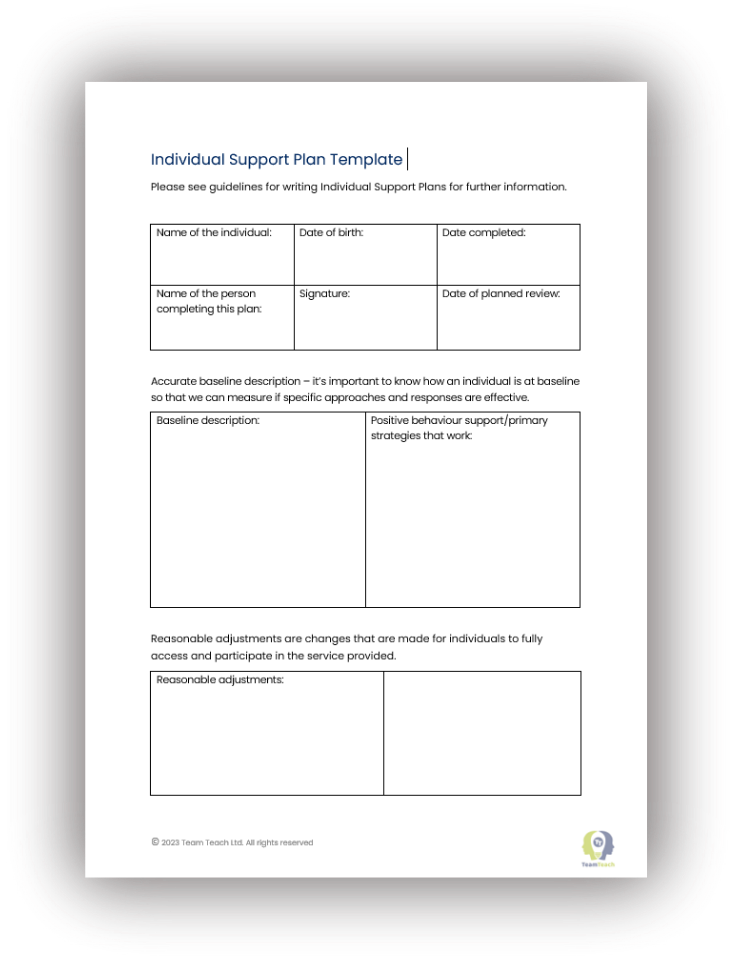
- Support plan
- noun
- A reflection through which the educator adapts their educational actions to the needs of the child and/or group, as a complement to their general planning. The support plan may also be referred to as an “action plan.” It may be documented or not, depending on the practices of the childcare establishment.
- Example: The educator and the parents create a support plan for the child.
- en: plan de soutien
- zone of proximal development
- noun
- The Zone of Proximal Development (ZPD) is the range of tasks a learner cannot yet perform independently but can accomplish with guidance from a "more knowledgeable other" (e.g., teacher, peer). This "sweet spot" for learning bridges the gap between a learner's actual development (independent ability) and potential development.
- Example: "educator can help students achieve skills within their zone of proximal development by providing appropriate support and guidance."
- en: zone proximal de développement

Comments
Post a Comment